Pattern Play: Mixing Prints in Your Home
Create visual interest and personality by confidently combining stripes, florals, and geometrics
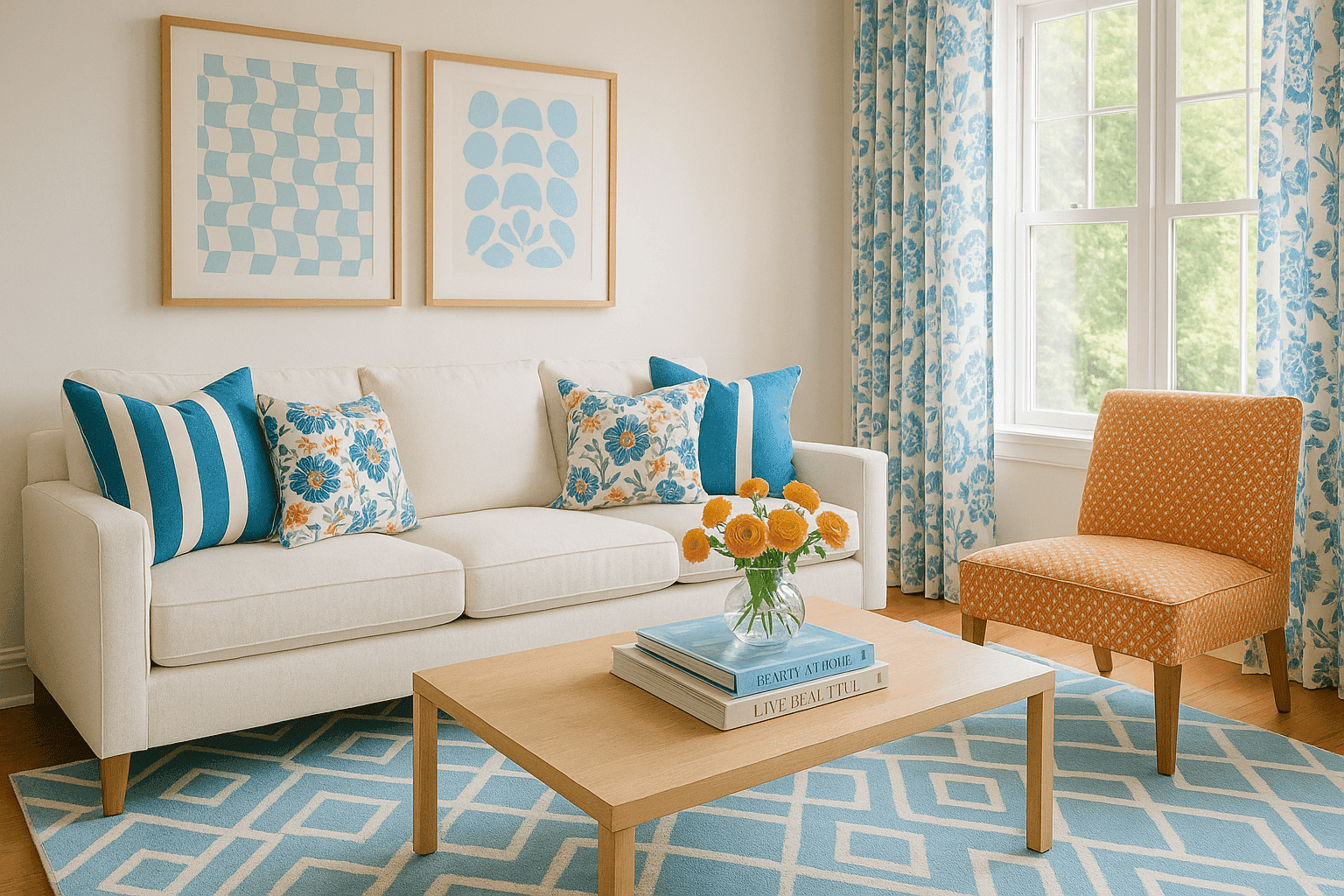
Mixing patterns is one of those design skills that seems reserved for professionals, but with a few simple guidelines, anyone can create a space that's both cohesive and visually exciting. The secret lies in balancing scale, maintaining a consistent color palette, and understanding how different pattern types work together. Follow our formula to create rooms that feel collected, not chaotic.
Pattern Types to Mix
| • Geometric patterns (stripes, chevrons, herringbone) |
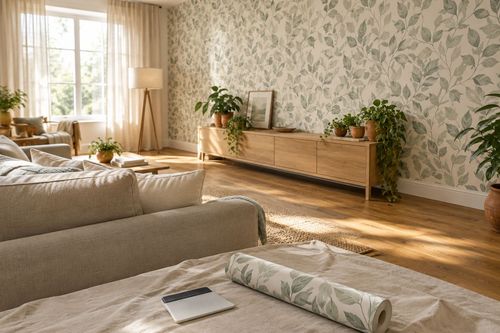
| • Organic patterns (florals, botanicals) |
| • Abstract patterns (watercolor, splatter) |
| • Animal prints (zebra, leopard as neutrals) |
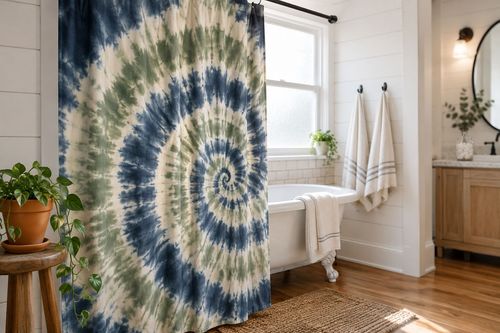
| • Global patterns (ikat, suzani, batik) |
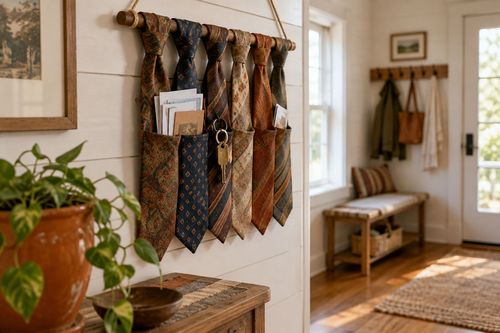
| • Conversational prints (toile, novelty prints) |
| • Polka dots and spots |
| • Textural patterns (knits, weaves) |
Mixing Method
- Start with a color palette: Choose 3-5 colors to unite different patterns. Include at least one neutral to give the eye a place to rest.
- Vary the scale: Combine large, medium, and small-scale patterns to create visual hierarchy. Avoid using too many patterns of the same size.
- Mix pattern types: Pair structured patterns (like stripes or geometrics) with organic ones (like florals) for balanced contrast.
- Follow the 60-30-10 rule: Use your dominant pattern for 60% of the room, secondary pattern for 30%, and accent pattern for 10%.
- Distribute patterns evenly: Spread patterns throughout the space rather than concentrating them in one area for a balanced look.
When in doubt, consider stripes and animal prints as neutrals that mix easily with other patterns. If you're new to pattern mixing, start with pillows, throws, or small decor items that can be easily swapped if the combination doesn't work. For a foolproof approach, choose patterns from the same collection or designer — they're often designed to work together while still creating visual interest.