Peace & Quiet: End Jarring Door Slams in 10 Minutes
Simple fixes that create calmer homes and protect door frames
The jarring bang of slamming doors creates unnecessary stress throughout your day—startling you during focused work, waking sleeping children or pets, and gradually damaging door frames and walls through repeated impacts. While you've likely grown so accustomed to the noise that you barely notice consciously, your nervous system responds to each slam with a small spike of cortisol that accumulates into background stress affecting your overall sense of peace at home. Simple fixes costing just a few dollars per door eliminate this entirely, creating a noticeably calmer environment where doors close gently rather than violently. These solutions work for interior doors that kids slam habitually, exterior doors that catch wind and bang shut, cabinet doors that crash closed in kitchens, and bedroom doors that disturb light sleepers every time someone uses the bathroom at night. The repairs take 5-10 minutes per door maximum and require no special skills—just adhesive bumpers or minor adjustments to existing hardware. Beyond the immediate noise reduction, these fixes prevent the cumulative damage that slamming causes over years: chipped paint, dented door frames, cracked drywall, and loose hinges that eventually require expensive repairs you could easily avoid with preventive action taken right now.
What You'll Need
- For Interior Doors ($3-5):
- Soft-close door stops or hush bumpers
- Adhesive rubber dots (clear or matching frame color)
- Pack typically includes 12-20 bumpers
- For Exterior Doors:
- Small screwdriver (Phillips or flathead)
- Pneumatic door closer already installed
- Optional: replacement door closer if current one is damaged
- For Cabinet Doors ($5-8):
- Soft-close cabinet hinges (if upgrading entirely)
- Adhesive bumper pads for quick fix
- Screwdriver for hinge replacement
- For Bedroom Doors:
- Door stopper or draft snake
- Adhesive bumpers on frame
- Optional: door closer for controlled closing
- Cleaning Supplies:
- Rubbing alcohol for surface prep
- Clean cloth for wiping frames
Fix Each Type
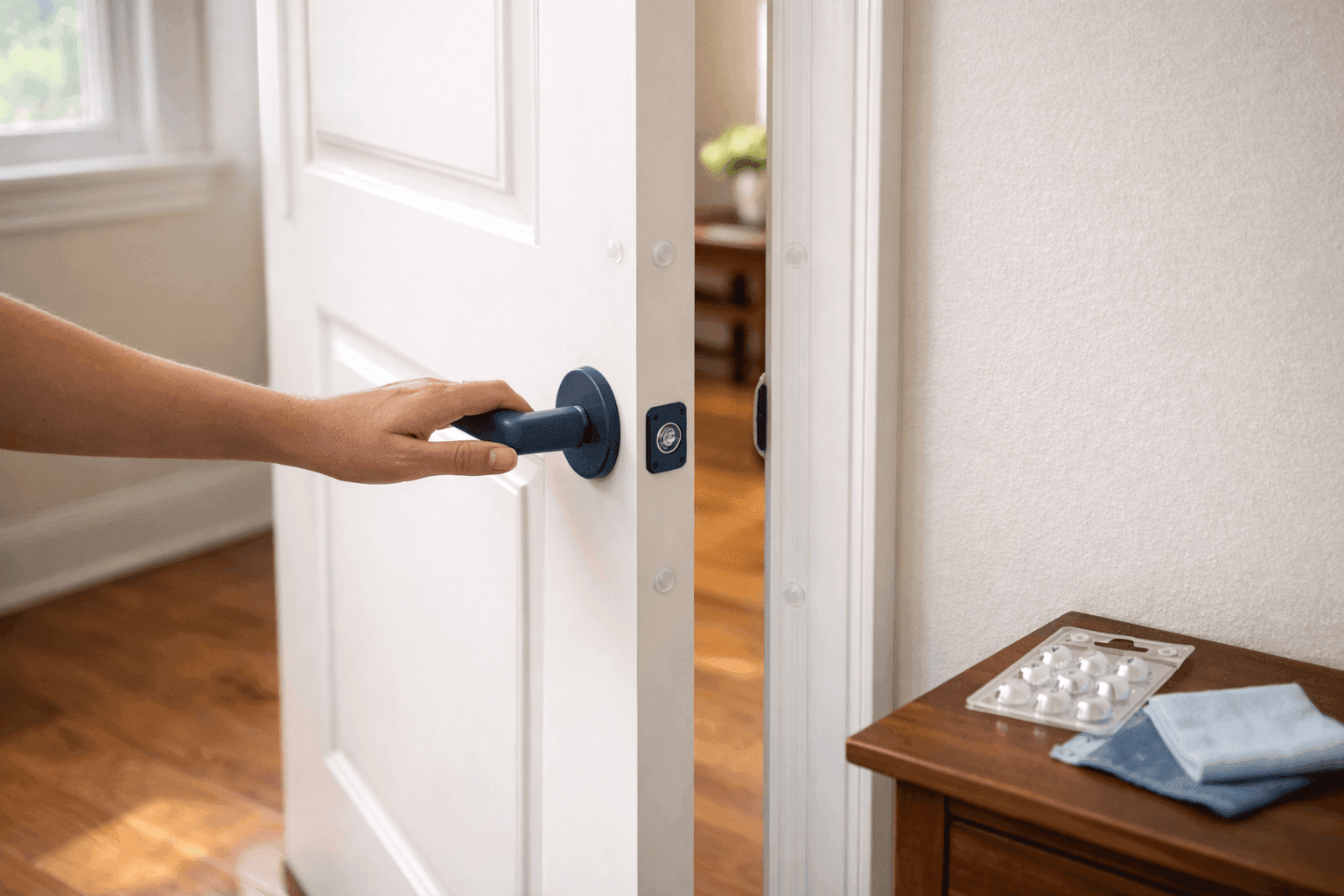
- Identify where each door makes contact with the frame when closing by closing it slowly and watching for contact points—you'll typically need bumpers at both the latch side and hinge side for complete coverage.
- Clean the door frame contact areas thoroughly with rubbing alcohol to remove dust, oils, and grime that prevent adhesive bumpers from sticking properly—this step determines whether your fix lasts months or fails within days.
- Install adhesive rubber bumpers on interior door frames at each contact point, positioning them where the door edge will hit—the soft rubber absorbs impact silently while protecting both door and frame from damage.
- Adjust pneumatic door closers on exterior doors by locating the adjustment screw (usually on the closer arm near the hinge) and turning clockwise slowly to reduce closing speed—test after each quarter-turn adjustment.
- Test your adjustments by closing the door from various positions and speeds, ensuring it closes gently even when pushed forcefully or caught by wind—proper adjustment means silence regardless of closing force.
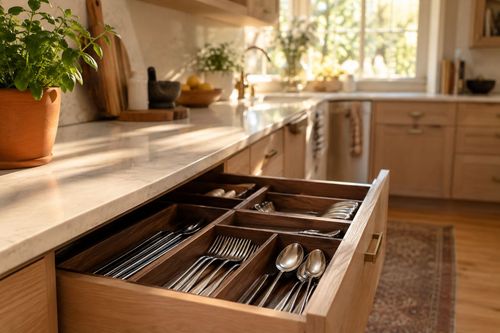
- Add bumper pads to cabinet doors by sticking small adhesive dots on the inside corners of the cabinet frame where door edges make contact—this quick fix stops kitchen cabinet slamming instantly without replacing hinges.
- Place door stoppers or draft snakes at bedroom door bottoms if the issue is doors closing too easily and disturbing sleep—these simple barriers keep doors slightly ajar without requiring hardware installation.
- Monitor your fixes over the next few weeks, tightening screws or replacing bumpers if needed—most adhesive solutions last 6-12 months before needing replacement, which takes seconds when you're already familiar with the process.
Professional contractors recommend addressing door slamming systematically throughout your home rather than fixing one door at a time as problems arise—buying a bulk pack of bumpers and spending one hour addressing every door creates comprehensive silence that dramatically improves home atmosphere. For exterior doors in windy locations, consider installing both a door closer adjustment AND a chain stop that prevents the door from opening too far and slamming on the return swing. If you're replacing cabinet hinges entirely, soft-close hinges transform kitchen and bathroom experiences by eliminating all slamming while costing just $2-3 per hinge—the upgrade pays for itself in reduced stress and extended cabinet life. Clear adhesive bumpers work on any door frame color and become virtually invisible once installed, while colored bumpers can be selected to match white or wood-tone frames for seamless integration. The biggest mistake people make is under-installing bumpers—use at least two per door (one near latch, one near hinges) for complete protection, and consider three bumpers on extra-heavy doors that still slam with just two contact points covered.