Protect Your Pipes: Winter Insulation in One Afternoon
A simple $30 investment in pipe insulation prevents thousands in burst pipe damage during winter freezes
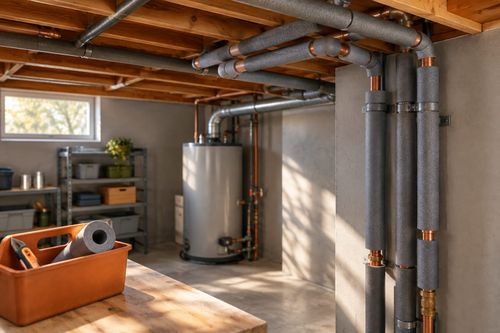
I'll never forget the sinking feeling when a neighbor's burst pipe caused $8,000 in water damage during a cold snap—all because they hadn't spent thirty minutes insulating exposed pipes in their garage. Pipe insulation is one of those unsexy home maintenance tasks that feels optional until suddenly it's catastrophically necessary, and by then it's too late. This straightforward project costs around $30 in materials, takes just an afternoon to complete, and provides peace of mind every time temperatures drop below freezing. The foam sleeves slip right over your pipes without any special tools or plumbing knowledge required, making this genuinely accessible for anyone who can climb a ladder. I've insulated pipes in three different homes now, and each time I'm struck by how such a simple preventive measure protects against such potentially devastating damage—it's truly one of the highest-return investments you can make in your home's winter readiness.
What You'll Need
- Insulation Materials:
- Foam pipe insulation sleeves (measure your pipe diameter first)
- Most residential pipes are 1/2-inch or 3/4-inch diameter
- Buy 10-20% extra to account for waste at joints and corners
- Self-sealing sleeves simplify installation significantly
- Sealing Supplies:
- Foil tape or duct tape for securing seams
- Cable ties for extra security on vertical runs
- Utility knife for cutting insulation to length
- Tools Required:
- Tape measure for accurate pipe measurements
- Ladder or step stool for ceiling access
- Flashlight for dark crawl spaces
- Work gloves for handling fiberglass insulation
- Total Cost: $25-35 for typical home
Installation Steps
- Identify vulnerable pipes by walking through your basement, crawl space, garage, and exterior walls looking for exposed water lines in unheated areas. Pay special attention to pipes along exterior walls and in areas where cold air can infiltrate.
- Measure your pipes accurately using a tape measure or by wrapping string around the circumference and measuring—getting the right diameter ensures your foam sleeves fit snugly without gaps that reduce insulation effectiveness.
- Purchase correct materials by matching pipe diameter to insulation sleeve size and calculating total length needed, remembering that it's better to have extra than to make a second trip mid-project when you discover another run of pipe.
- Clean pipe surfaces with a dry cloth to remove dust, cobwebs, and debris that could prevent proper adhesion of the foam sleeve. This simple prep step ensures the insulation makes full contact for maximum thermal protection.
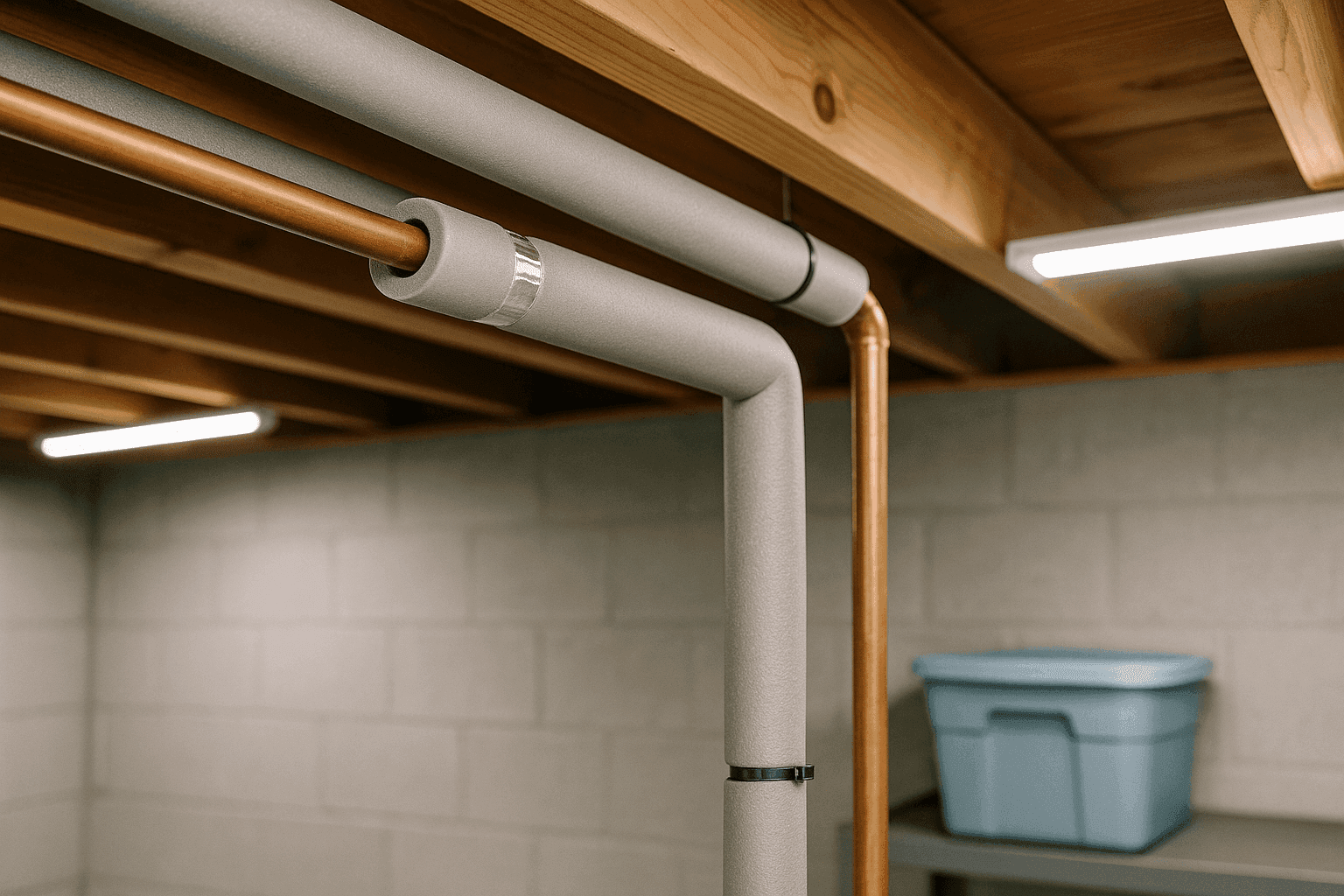
- Slip sleeves over pipes by opening the pre-slit side and pressing the foam around the pipe, working in manageable 6-foot sections. The slit should face away from the coldest exposure when possible to minimize heat loss through the seam.
- Seal all seams thoroughly with foil tape along the entire length of the slit, pressing firmly to create an airtight seal. Any gaps allow cold air to reach the pipe, defeating the purpose of insulation—think of this like wrapping a present with no gaps in the paper.
- Address joints and elbows by cutting insulation at 45-degree angles to fit around corners, then taping those connections securely. These vulnerable spots need extra attention because they're where pipes are most exposed and hardest to insulate properly.
- Secure with cable ties on vertical pipe runs where gravity might cause foam sleeves to slip down over time, placing ties every 3-4 feet. This prevents gaps from forming and maintains consistent protection throughout the heating season.
Professional plumbers always insulate both hot and cold water lines, not just cold water pipes, because hot water pipes can freeze too once the water inside cools down during extended cold snaps. Here's the insider knowledge: use thicker insulation (3/4-inch wall thickness minimum) for pipes in the coldest locations like unheated garages, and consider heat tape for pipes that run through truly frigid spaces where even insulation might not be enough. Heat tape provides active warming and costs about $15 per pipe run, and when combined with insulation over the top, it creates virtually bulletproof freeze protection. Also, don't forget outdoor faucets—insulated faucet covers cost just $5 each and prevent the most common freeze point in many homes.