Raw & Refined: Creating a Rustic Industrial Space with Character
Blend weathered wood, metal accents, and authentic materials for a space with history and edge
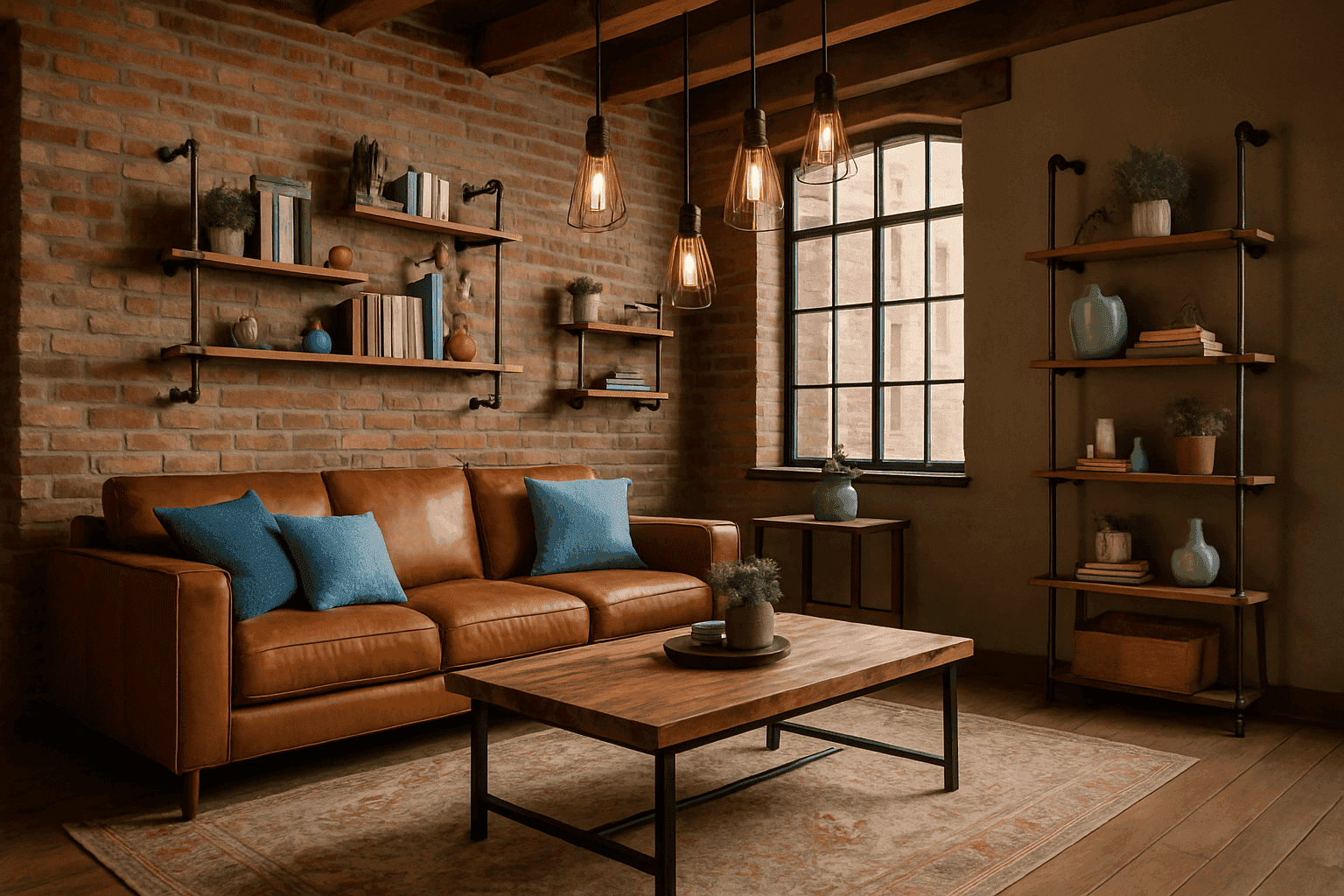
Rustic industrial style marries the warmth of farmhouse elements with the edge of urban industrial design, creating spaces that feel both inviting and authentically raw. This design approach celebrates exposed structures, honest materials, and the beauty of imperfection. With its emphasis on reclaimed materials and functional pieces, rustic industrial design is not only aesthetically appealing but also environmentally conscious and highly practical for modern living.
Key Design Elements
| • Reclaimed or distressed wood |
| • Metal accents (black iron, steel, copper) |
| • Exposed architectural features |
| • Edison bulb or cage lighting |
| • Factory-inspired furniture |
| • Leather upholstery |
| • Open shelving with pipe brackets |
| • Vintage or industrial-inspired accessories |
Implementation Strategy
- Start with the shell: Expose structural elements where possible—brick walls, concrete floors, ceiling beams, or ductwork. If authentic exposure isn't possible, consider visual alternatives like brick veneer or faux wood beams.
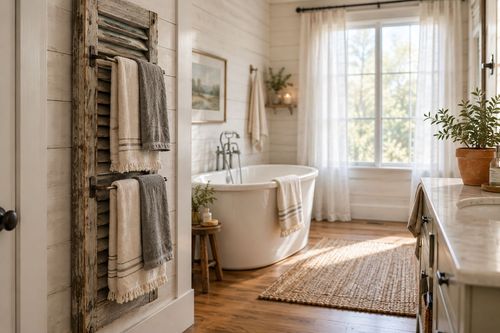
- Layer in natural materials: Incorporate reclaimed wood through furniture, accent walls, floating shelves, or ceiling treatments. Look for pieces with knots, nail holes, and patina that tell a story.
- Add metal elements: Introduce industrial metal through furniture frames, lighting fixtures, hardware, and decorative objects. Mix metal finishes (black iron, galvanized steel, copper) for depth and interest.
- Choose functional furniture: Select pieces that prioritize function alongside form—storage ottomans, extendable tables, or modular seating. Look for industrial details like visible bolts, wheels, or adjustable components.
- Incorporate vintage touches: Add character with authentic vintage finds or reproductions like factory stools, utilitarian containers repurposed as décor, or salvaged signage.
The most successful rustic industrial spaces balance raw elements with softer touches to create rooms that feel livable rather than cold. Layer in textural textiles like wool throws, canvas pillows, or vintage rugs to add warmth and comfort. Consider your color palette carefully—while neutrals dominate this style, selective use of color through accessories or artwork can prevent the space from feeling too monochromatic. Finally, remember that authentic rustic industrial spaces evolve over time; leave room to incorporate new finds and allow your space to develop character gradually rather than purchasing a matching "set" of industrial-style furniture all at once.