Safe Access Upgrade: Installing Your Attic Ladder
Transform dangerous wobbling on step ladders into confident, safe storage access
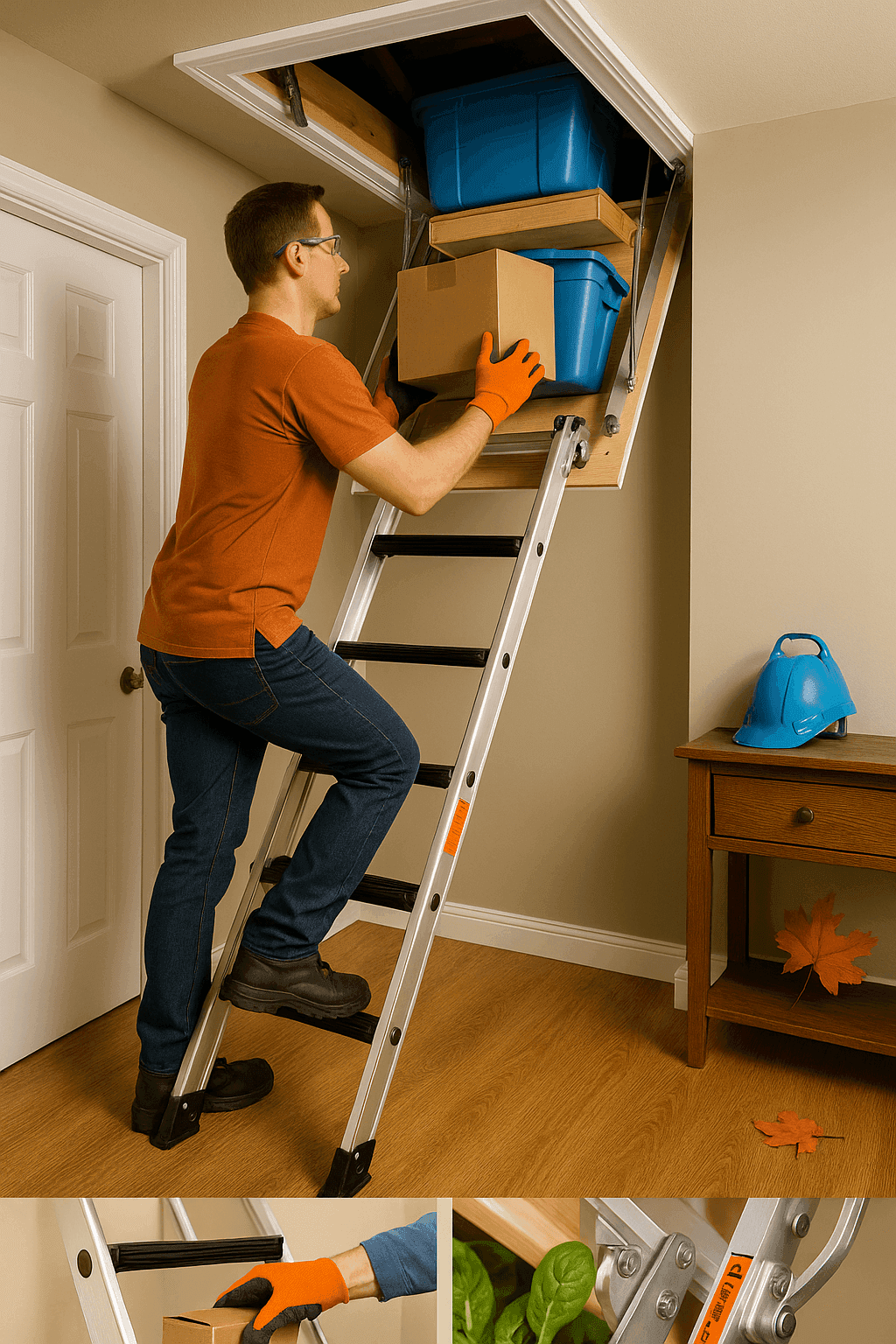
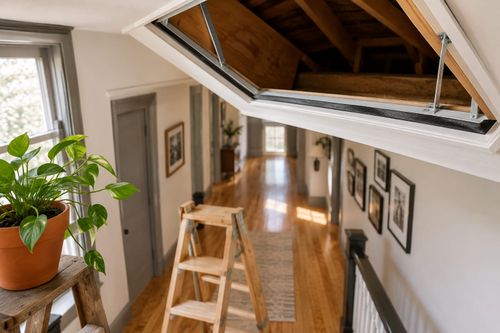
Every homeowner knows that moment of dread when holiday season approaches and you realize you need to retrieve decorations from the attic using that wobbly step ladder and a prayer. Installing a proper attic ladder transforms this dangerous annual ritual into a safe, confident climb that takes seconds instead of stress-filled minutes. A quality attic ladder costs $150-300 compared to the potential medical bills from a fall, and the installation process is surprisingly manageable for a determined DIYer with the right preparation. The best part is that once it's installed, accessing your attic storage becomes so easy that you'll actually start using that space more efficiently, turning it from a "danger zone" into a valuable part of your home's organization system.
What You'll Need
Ladder Kit ($150-300)
- Attic ladder kit with frame and hardware
- Insulated door panel (if not included)
- Weatherstripping for energy efficiency
- 2x8 or 2x10 framing lumber (if needed)
Hardware & Materials
- 3-inch deck screws
- Joist hangers and nails
- Shims for leveling
- Construction adhesive
Tools
- Reciprocating saw
- Drill with bits
- Level (4-foot recommended)
- Measuring tape
- Safety glasses and dust mask
- Helper (this is NOT a solo job)
Installation Process
- Locate the ideal position between joists where your ladder will fit, avoiding electrical and plumbing
- Mark the opening dimensions on the ceiling, ensuring it's square and properly positioned
- Cut the ceiling opening carefully with a reciprocating saw, saving the drywall piece for patching if needed
- Frame the opening with 2x lumber if your joists don't provide adequate support for the ladder
- Test fit the ladder frame in the opening and adjust with shims until perfectly level and square
- Secure the frame to the joists using the provided screws and brackets, checking level frequently
- Install the ladder mechanism according to manufacturer instructions, ensuring smooth operation
- Add weatherstripping around the door panel and test the complete system for proper function
Choose a location that provides at least 8 feet of clear floor space in front of the extended ladder for safe climbing. Avoid installing directly over stairs or in high-traffic areas where someone might bump into the extended ladder. Also, invest in an insulated door panel even if it costs extra—your energy bills will thank you, and it significantly reduces noise transfer between floors, which is especially important if bedrooms are nearby.