Show & Style: Mastering the Art of Open Shelving in Any Room
Create beautiful, functional displays that combine practicality with personal style
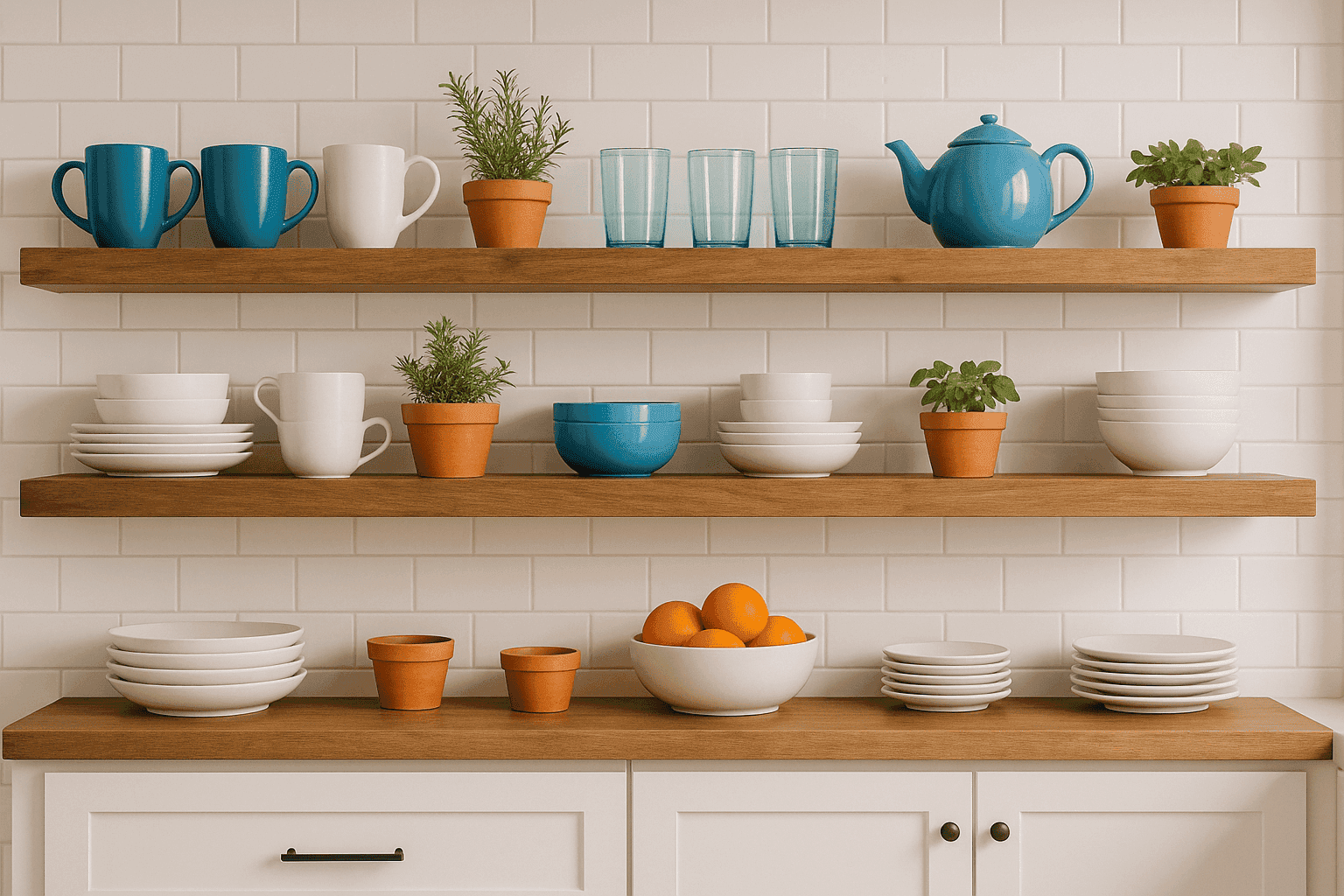
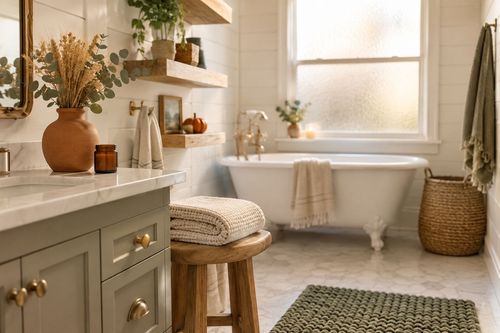
Open shelving transforms everyday items into design elements while keeping frequently used pieces within easy reach. Whether in kitchens, living rooms, or bathrooms, this storage approach combines practicality with personality, allowing you to display collections, add color, and create visual breathing space compared to solid cabinetry. While perfectly styled shelves might seem intimidating, a few key principles can help you create displays that are both beautiful and functional.
Shelving Options
| • Floating shelves (clean, minimalist look) |
| • Bracket-supported shelves (industrial or decorative) |
| • Built-in shelving units (custom fit) |
| • Ladder or leaning shelves (floor-based option) |
| • Box or cubby shelves (defined spaces) |
| • Pipe shelving (industrial aesthetic) |
| • Picture ledges (shallow display shelves) |
| • Corner shelving (maximizes awkward spaces) |
Styling Principles
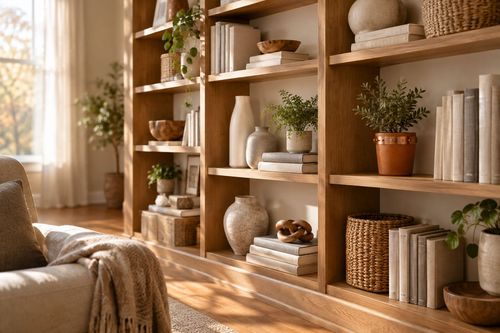
- Edit ruthlessly: Select only items that are both functional and visually appealing. Open shelving requires curation—not everything deserves display space.
- Create rhythm: Arrange items in groups of odd numbers (3, 5) and vary heights, widths, and textures while maintaining some consistent elements throughout.
- Follow the 60/40 rule: Dedicate about 60% of shelf space to practical items (dishes, books) and 40% to purely decorative elements (plants, artwork, objects).
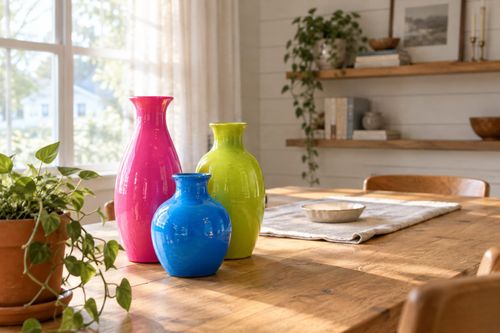
- Consider color coordination: Limit your color palette to create cohesion, either by grouping similar colors together or distributing your accent colors evenly across shelves.
- Layer items strategically: Place taller items at the back, shorter in front, and use small risers or stacks to create height variation and visual interest within groupings.
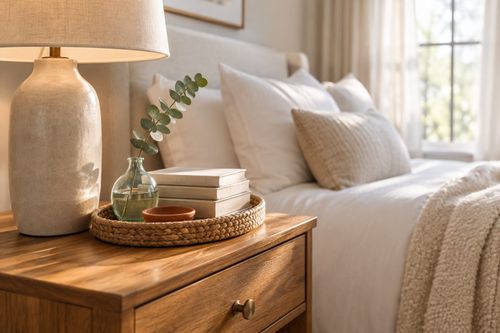
For kitchen open shelving that remains practical, keep everyday dishes on lower, easily accessible shelves while reserving upper shelves for less frequently used items and decorative pieces. In any room, incorporate small trays or baskets to corral smaller items that might otherwise look cluttered. Remember that negative space is crucial—leaving some empty areas allows the eye to rest and creates a more intentional display. Finally, plan for regular maintenance by limiting open shelving in high-dust areas or by selecting items that won't show dust quickly. The most successful open shelving strikes a balance between aspirational styling and your everyday reality.