Transform Your Sideboard Into Dream Gift Wrap Station
Convert underused dining furniture into organized holiday wrapping headquarters with ribbon rods and custom storage
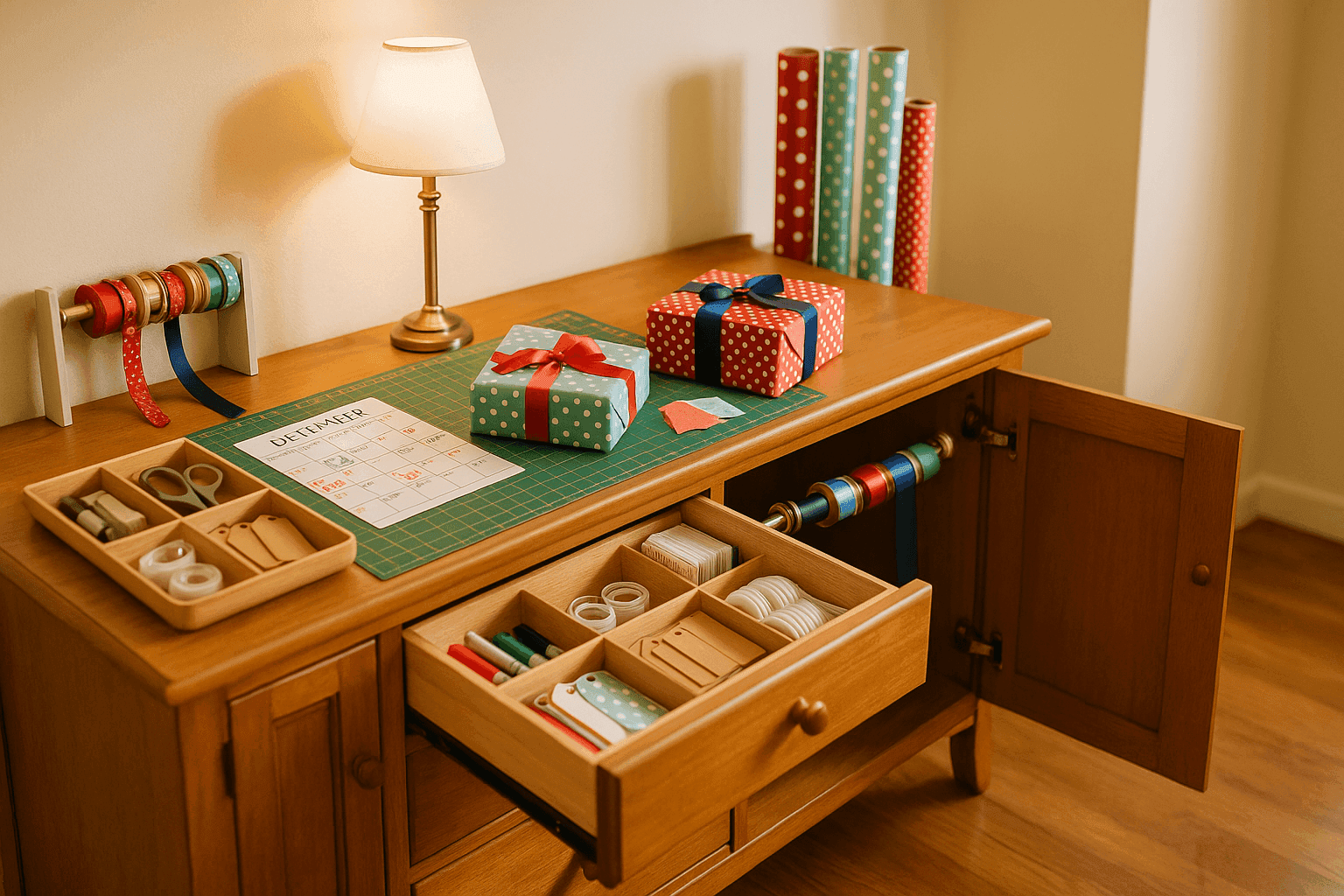
The year I finally converted our rarely-used dining room sideboard into a dedicated gift wrapping station, my holiday stress levels dropped dramatically because I could actually wrap presents sitting down at a proper surface with all supplies organized within arm's reach instead of kneeling on the floor surrounded by chaos. Transforming existing furniture into specialized holiday infrastructure is brilliant space utilization that gives underused pieces genuine purpose while solving the perennial problem of where to wrap gifts and store supplies in homes that lack dedicated craft rooms. This conversion costs $30-60 in organizing materials and takes an afternoon to complete, but delivers a permanent wrapping headquarters that makes December's gifting marathon genuinely enjoyable rather than back-breaking floor gymnastics. I've used mine for three holiday seasons now, and the difference between having a proper wrapping station versus my previous floor-based chaos is the difference between pleasant creative activity and dreaded chore I'd procrastinate until midnight before events. Beyond personal convenience, a beautiful wrapping station positioned in dining rooms or living areas becomes conversation piece that guests admire, and the organized visibility means you actually use quality papers and ribbons you own rather than forgetting what you have buried in closets and buying duplicates.
What You'll Need
- Base Furniture:
- Sideboard, buffet, or console table
- Minimum 48 inches wide for adequate workspace
- Drawers for supply storage essential
- Surface height comfortable for sitting or standing
- Existing furniture repurposed or thrifted piece
- Ribbon Storage System:
- Tension rod or wooden dowel for mounting
- Two cup hooks or brackets for rod supports
- Or install inside cabinet door vertically
- Allows ribbons to unroll without tangling
- Cost: $5-10 for basic rod setup
- Drawer Organization:
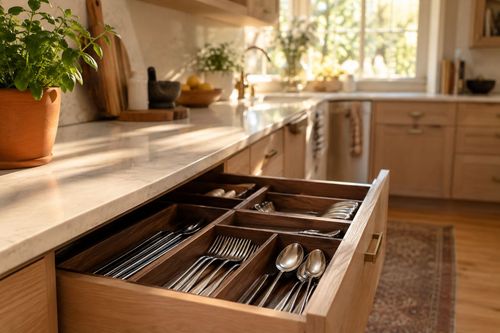
- Adjustable drawer dividers or organizers
- Small bins for tape, scissors, tags
- Vertical file holders for wrapping paper rolls
- Stackable trays for gift bags and tissue
- Cost: $20-40 for complete drawer setup
- Work Surface Additions:
- Self-healing cutting mat for surface protection
- Ruler or yardstick mounted to edge
- Small lamp for task lighting
- Lazy Susan for holding tape dispensers
- Supplies to Stock:
- Wrapping paper in vertical storage
- Ribbons on rod for easy access
- Scissors dedicated to paper only
- Clear and double-sided tape
- Gift tags, labels, tissue paper
- Gift bags in various sizes
- Total Cost: $30-60 for organizing materials
Transformation Steps
- Empty and clean completely by removing all existing contents from drawers and cabinets, wiping interior surfaces thoroughly, and assessing available storage space for wrapping supplies. This blank slate approach lets you optimize organization rather than working around inherited clutter.
- Install ribbon rod by mounting tension rod or wooden dowel horizontally inside a cabinet or across the back of the sideboard using cup hooks or brackets, positioning it where ribbon spools can hang freely without touching the ground. This genius storage lets ribbons unroll smoothly without tangling or searching through jumbled bins.
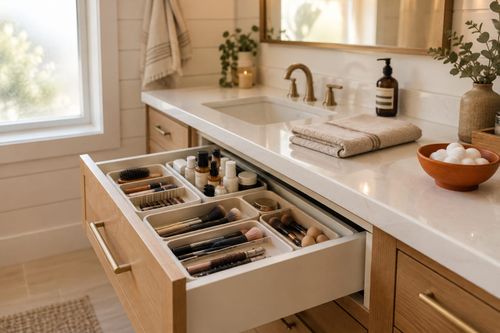
- Measure drawer dimensions accurately before purchasing dividers or organizers, noting any quirks like drawer slides that reduce usable width or irregular depths. Custom-fit organization maximizes every inch rather than buying standard sizes that leave wasted gaps or don't fit at all.
- Create supply zones by designating specific drawers for different categories—one for cutting tools and tape, another for gift bags and tissue paper, a third for tags and embellishments. This categorical organization means you know exactly where to reach without opening multiple drawers during active wrapping sessions.
- Install vertical paper storage using magazine holders, file organizers, or DIY cardboard dividers that keep wrapping paper rolls upright in deeper drawers or cabinet spaces, preventing the crushing that occurs when rolls lay flat under other items. Vertical storage also makes finding specific patterns infinitely faster.
- Add task lighting by positioning a small lamp, clip light, or battery-operated LED strip on or above the work surface, creating focused illumination for detail work like writing gift tags or cutting intricate patterns. Adequate lighting transforms wrapping from squinting struggle to pleasant precision work.
- Protect work surface by placing a large self-healing cutting mat or piece of cardboard across the top, creating smooth cutting surface while protecting furniture finish from blade marks and tape residue. This protective layer also provides measurement grid for precise cutting.
- Mount ruler permanently along one edge of the work surface using adhesive or small brackets, creating built-in measuring tool that speeds gift sizing and paper cutting without hunting for loose rulers that migrate throughout your home. This small addition creates surprisingly large efficiency gains.
- Stock supplies completely before wrapping season begins by filling all organizational zones with adequate inventory—multiple tape rolls, sharp scissors, variety of papers and ribbons, gift tags for all occasions. Complete stocking means uninterrupted wrapping sessions rather than mid-project supply runs.
- Establish return protocol by training yourself and family members to return tools and supplies to designated spots immediately after use rather than letting scissors and tape wander throughout the house. This discipline maintains organization that makes the station actually functional rather than gradually devolving into chaos by mid-December.
Professional organizers and crafting experts who create dedicated workspaces recommend several advanced modifications that elevate basic sideboard conversions into truly professional wrapping stations. The most important upgrade is adding a pull-out cutting surface that extends beyond the sideboard's footprint, creating additional workspace when wrapping large items or multiple gifts simultaneously without cluttering the main surface. Professional gift wrappers swear by installing a paper towel holder or dowel mounted underneath the work surface specifically for holding wax paper or tissue, keeping delicate materials accessible without taking drawer space. For ultimate efficiency, add a pegboard back panel mounted to the wall behind your sideboard, creating vertical storage for frequently-used tools like scissors, tape dispensers, and ribbon spools that stay visible and immediately accessible. Interior designers who specialize in multi-functional spaces recommend choosing sideboards with doors rather than open shelving, since closed storage conceals wrapping supplies when not in use and maintains the room's decorative appearance when the station isn't actively being used. The most sophisticated organizers create "grab-and-go" gift stations by dedicating one drawer to pre-made gift kits—each containing coordinated paper, ribbon, tag, and tissue for specific recipient types like "coworker," "child," or "hostess"—which enables quick wrapping for last-minute needs without full creative process. Professional stylists also suggest adding a small whiteboard or chalkboard section for tracking who you've wrapped for, gift ideas, or supply shopping lists, creating complete gift-giving command center rather than just wrapping station. Finally, consider your dining room's appearance year-round—choose storage solutions and surface protection that look intentional rather than purely utilitarian, since unlike dedicated craft rooms, converted dining furniture remains visible to guests. For post-holiday storage, many organizers maintain the wrapping station infrastructure year-round but swap seasonal supplies, using the same organizational zones for birthday wrapping, craft supplies, or even as homework station during non-holiday months, maximizing the investment in your conversion materials.