Window Blooms: Transforming Spaces with Spring-Inspired Curtains
Refresh your rooms with light, floral-patterned window treatments that instantly brighten and update your interior
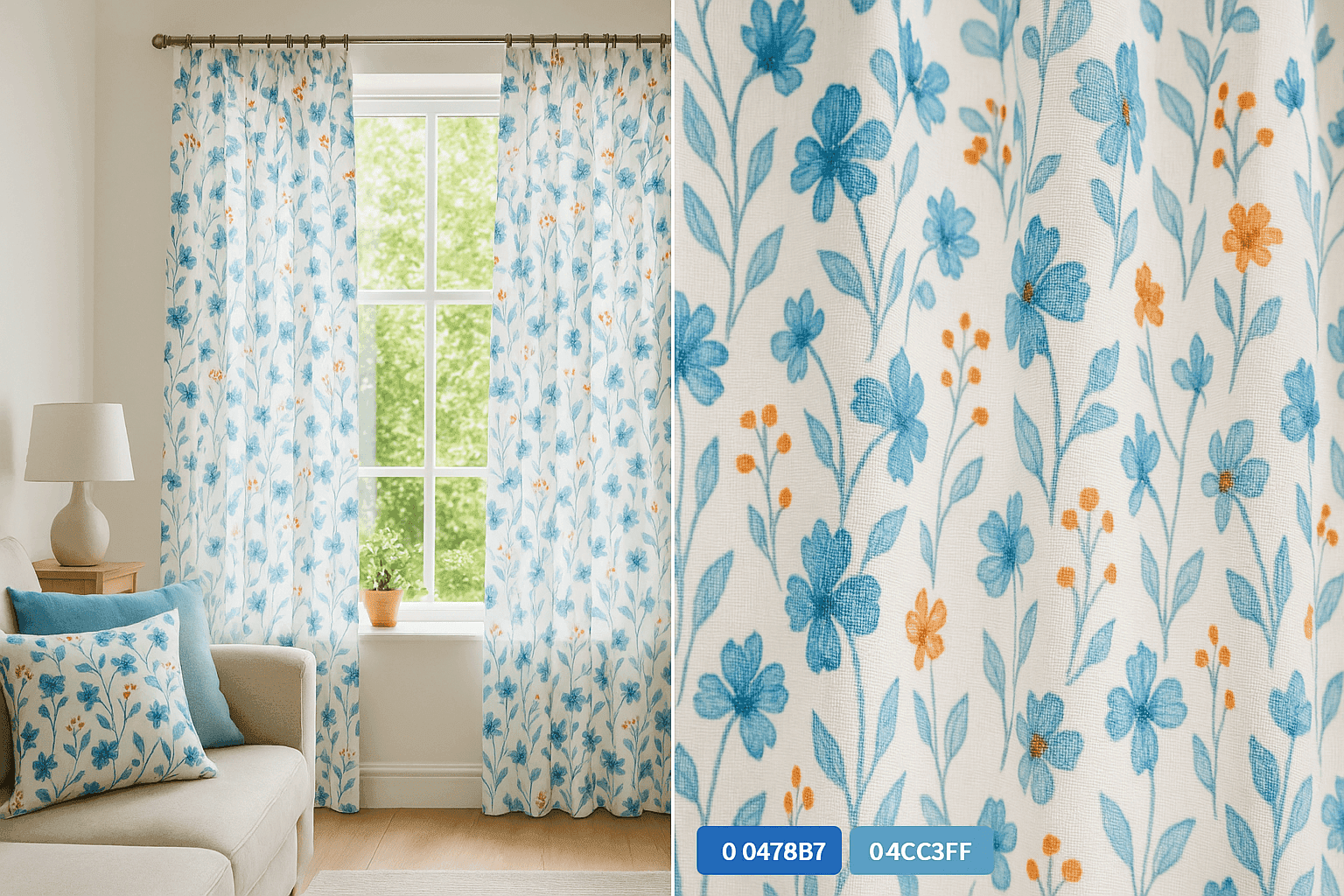
Swapping winter's heavy window treatments for light, floral-patterned curtains creates an instant spring transformation that affects the entire atmosphere of your home. Beyond their aesthetic appeal, these spring-inspired window treatments fundamentally change how light enters your space—filtering sunlight through botanical patterns to cast subtle, dappled shadows while allowing more natural brightness to flood in. This simple update serves as a focal point that influences how the rest of your room is perceived, softening architectural lines and introducing organic movement through floral motifs. Best of all, curtains are a relatively affordable investment compared to furniture, making them the perfect seasonal refresh for maximum impact.
What You'll Need
| Curtain Options: |
| • Floral print curtains in lightweight fabrics |
| • Sheer curtains with subtle botanical patterns |
| • Watercolor floral designs for a modern look |
| • Embroidered curtains with floral motifs |
| • Digital print curtains with photographic florals |
| Hardware Essentials: |
| • Curtain rods in complementary finishes |
| • Finials that enhance your spring theme |
| • Rod mounting brackets |
| • Curtain rings or clips for easy hanging |
| • Tie-backs or holdbacks for styling |
| Tools for Installation: |
| • Measuring tape |
| • Pencil for marking |
| • Level to ensure straight installation |
| • Drill and appropriate drill bits |
| • Screwdriver |
| • Step stool or ladder |
| Fabric Options (For DIY Curtains): |
| • Lightweight cotton with floral patterns |
| • Linen or linen-blend fabrics |
| • Sheer voile or organza |
| • Natural fiber blends |
| • Pre-treated fabric for sun protection |
| Complementary Items: |
| • Coordinating throw pillows |
| • Small potted plants for windowsills |
| • Spring-themed window decals (optional) |
| • Light-diffusing blinds or shades |
| • Decorative valance (optional) |
How To Do It
- Assess your windows and light needs:
- Evaluate current natural light levels in each room
- Consider privacy requirements for different spaces
- Determine whether you need light-filtering or room-darkening options
- Note any architectural features that might impact curtain selection
- Identify windows that would benefit most from a spring refresh
- Choose the right floral pattern style:
- For contemporary rooms, select abstract or oversized floral patterns
- For traditional spaces, consider classic botanical prints
- For minimalist aesthetics, choose subtle tone-on-tone floral designs
- Consider scale: large patterns for dramatic effect, small for subtle texture
- Select patterns that complement existing furnishings and wall colors
- Select appropriate curtain materials:
- Choose lightweight fabrics that move with spring breezes
- Consider sheer options for maximum light filtration
- Look for natural fibers like cotton and linen for breathability
- For allergies, select easy-to-wash synthetic blends
- For south-facing windows, consider UV-protective fabrics
- Measure your windows precisely:
- Measure width across window plus 8-12 inches on each side for fullness
- For length, measure from rod to desired endpoint (sill, below sill, or floor)
- For floor-length curtains, subtract ½ inch to prevent dragging
- Record measurements for each window separately
- Consider double-checking measurements before purchasing
- Choose complementary hardware:
- Select rods that coordinate with existing room hardware
- Consider decorative finials that enhance your spring theme
- For heavier curtains, ensure brackets provide adequate support
- Choose between rings, grommets, or rod pockets based on desired look
- Add tie-backs for styling flexibility
- Install or update curtain hardware:
- Position rod 4-6 inches above window frame for height illusion
- Extend rods 8-12 inches beyond window width on each side
- Use a level to ensure straight installation
- Install brackets securely into wall studs or use appropriate anchors
- Test stability before hanging curtains
- Prepare your curtains:
- Remove packaging and gently shake out curtains
- Iron or steam to remove wrinkles (check fabric care instructions)
- Attach curtain rings or clips if using
- For rod pockets, thread rod through pocket
- Group pleats evenly for a tailored appearance
- Hang and style your floral curtains:
- Slide curtains onto installed rods
- Distribute fabric evenly across the window
- Create soft folds rather than pulled-tight panels
- Position tie-backs at natural waist height for classic proportion
- Step back frequently to assess the overall effect
- Layer curtains for dimensional effect (optional):
- Install double rods for layering options
- Combine sheer panels with heavier floral curtains
- Use neutral sheers with patterned outer layers
- Consider light-filtering blinds behind curtains for versatility
- Adjust layers depending on lighting needs throughout the day
- Complete the spring window transformation:
- Clean windowsills and glass for a fresh appearance
- Add small potted plants or herbs to sunny windowsills
- Place coordinating throw pillows nearby to pull the look together
- Consider transparent window decals for additional pattern
- Take before and after photos to appreciate the transformation
Professional designers employ a technique called "pattern scaling" when selecting floral curtains to ensure they enhance rather than overwhelm a space. The rule of thumb is to adjust pattern size based on room dimensions: in smaller rooms, choose flowers no larger than 4-6 inches in diameter, while larger spaces can accommodate blooms up to 12 inches across. Another industry secret is the "60-30-10 pattern principle" — if your curtains feature a bold floral pattern (your 30%), balance them with solid colors for 60% of the room's visual field (walls, large furniture), and accent with complementary patterns for the remaining 10% (pillows, small accessories). For the most sophisticated effect, top designers recommend hanging curtains as high as possible—ideally where wall meets ceiling—which creates the illusion of taller windows and higher ceilings. Finally, for rooms with less-than-ideal natural light, consider floral patterns with metallic thread elements or subtle shimmer, which catch and amplify available light while adding dimension that flat prints cannot achieve.